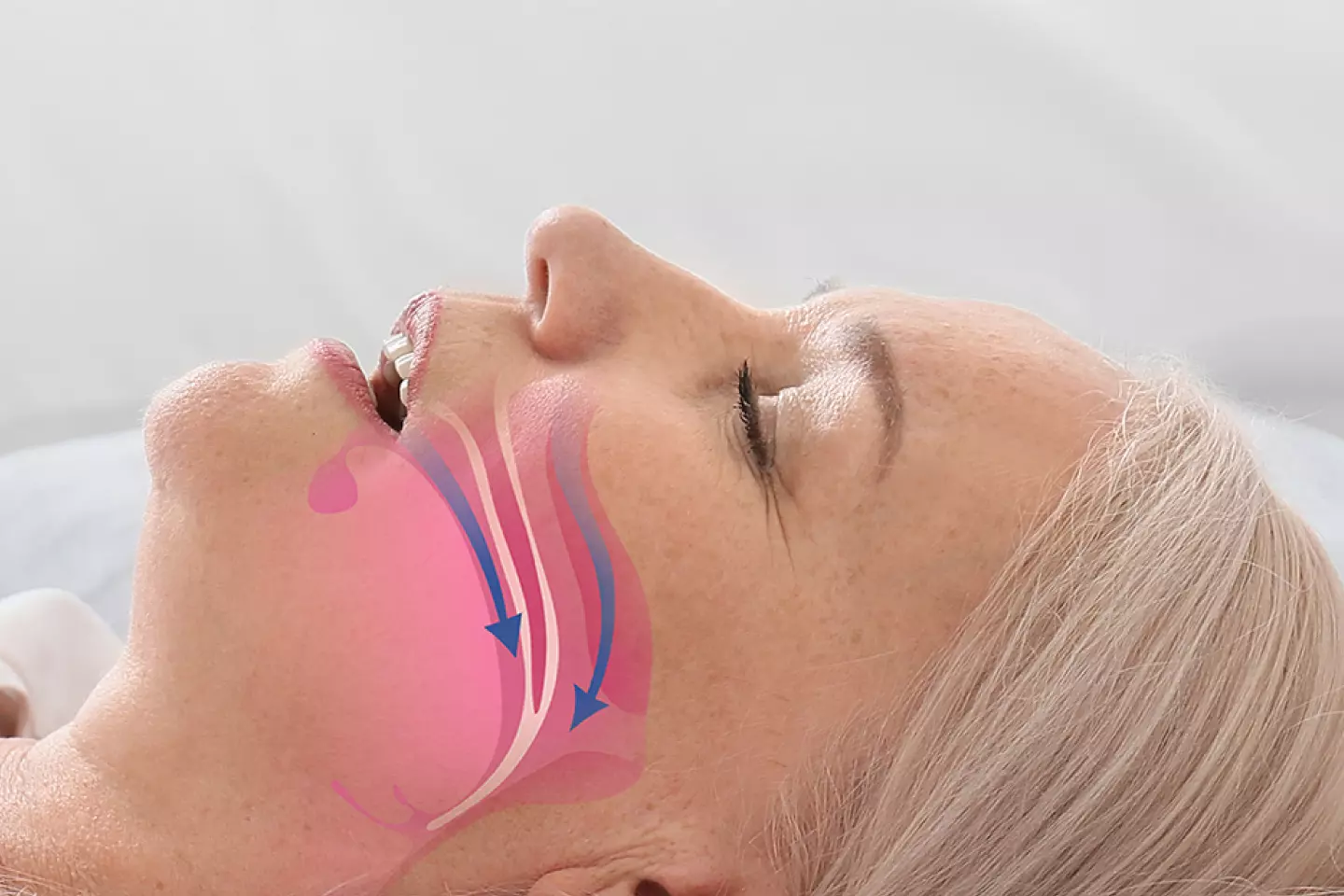
Breathing is one of the most fundamental processes of life, yet many people underestimate how the way they breathe can influence their facial development, dental health, and overall well-being. For children and adults alike, breathing through the mouth instead of the nose can lead to a range of functional and structural changes that may affect orthodontic outcomes.
At Orthodontics By Crutchfield in Northern VA, understanding the role of breathing patterns is an essential part of comprehensive orthodontic care. By recognizing and addressing mouth breathing early, patients can support optimal facial growth, better oral health, and more stable orthodontic results.
Understanding Nasal vs. Mouth Breathing
Nasal Breathing
Nasal breathing is the natural and preferred method of inhalation and exhalation. The nose filters, warms, and humidifies the air, preparing it for the lungs. Nasal breathing also supports optimal oxygen exchange, proper tongue posture, and balanced facial development.
Key benefits of nasal breathing:
- Filtration of particles and bacteria – Nasal hairs and mucus trap dust and pathogens.
- Regulation of airflow and humidity – Protects lungs and airways.
- Nitric oxide production – Improves oxygen uptake and circulation.
- Proper tongue posture – Encourages natural dental arch development.
Mouth Breathing
Mouth breathing occurs when nasal airflow is obstructed or habits favor breathing through the mouth. Common causes include chronic nasal congestion, enlarged tonsils or adenoids, allergies, or habitual breathing patterns.
While occasional mouth breathing is normal during exercise or nasal congestion, chronic mouth breathing can negatively impact oral, dental, and facial development.
How Mouth Breathing Affects Facial Growth?
Persistent mouth breathing can lead to a pattern known as “adenoid facies,” characterized by:
- Long, narrow face
- High, arched palate
- Flattened mid-face
- Retruded chin
- Poor lip closure
These changes occur because the tongue rests lower in the mouth instead of against the palate, which alters the natural development of the maxilla (upper jaw) and mandible (lower jaw). Over time, this can result in crowded teeth, bite misalignment, and orthodontic complications.
Impact on Dental and Orthodontic Health
Mouth breathing can influence not just facial structure, but also the oral environment:
- Dry Mouth
- Mouth breathing reduces saliva, which naturally protects teeth and gums. This can increase the risk of cavities, gum inflammation, and bad breath.
- Malocclusion and Bite Issues
- Low tongue posture and altered jaw development can contribute to:
- Crowding of teeth
- Open bites (where upper and lower teeth do not touch properly)
- Narrow dental arches
- Orthodontic Treatment Challenges
- Mouth breathing may complicate treatment planning because the underlying skeletal and soft tissue patterns can influence tooth movement and stability. Patients with untreated airway issues may experience slower progress or relapse if the breathing pattern is not addressed.
Recognizing Signs of Mouth Breathing
Parents and adults should watch for signs that may indicate chronic mouth breathing:
- Open mouth posture at rest
- Dry lips or chapped corners of the mouth
- Snoring or noisy breathing during sleep
- Frequent throat clearing
- Fatigue or sleep disturbances in children
Early recognition is important because intervening during growth periods can improve both facial development and long-term orthodontic outcomes.
Supporting Healthy Breathing Habits
While addressing anatomical or medical causes of mouth breathing may require consultation with an ENT specialist, orthodontic care can complement proper breathing habits. Some approaches include:
- Encouraging Nasal Breathing
- Simple exercises and awareness can help promote nasal breathing during the day.
- Myofunctional Therapy
- This type of therapy trains the tongue and facial muscles to rest in the correct position, supporting proper jaw growth and airway function.
- Monitoring Oral and Facial Development
- Orthodontists can evaluate the impact of breathing patterns on jaw and teeth alignment, integrating strategies into treatment planning when necessary.
- Addressing Allergies or Nasal Obstruction
- Medical management of allergies, adenoids, or nasal blockages can restore nasal airflow, reducing reliance on mouth breathing.
Long-Term Benefits of Proper Nasal Breathing
Establishing healthy nasal breathing early in life has lasting effects:
- Optimal Facial Growth – Encourages wide, well-shaped dental arches and balanced facial proportions.
- Better Oral Health – Maintains natural saliva flow and reduces the risk of cavities and gum disease.
- Improved Sleep Quality – Supports restful sleep, reducing daytime fatigue and improving concentration.
- Stable Orthodontic Results – Proper tongue and lip posture aid in maintaining teeth alignment after braces or aligners.
Even in adults, transitioning from mouth to nasal breathing can support overall health, oral comfort, and long-term orthodontic stability.
Tips for Encouraging Healthy Breathing Patterns
- Awareness Exercises: Practice consciously closing the lips and breathing through the nose during the day.
- Hydration: Drink plenty of water to prevent dryness associated with mouth breathing.
- Nasal Care: Saline sprays or rinses can keep nasal passages clear.
- Tongue Placement: Rest the tongue gently against the roof of the mouth, not on the floor.
- Posture: Maintain upright head and neck posture to promote efficient nasal airflow.
Conclusion
Breathing may seem like a simple, automatic function, but the way you breathe can profoundly influence facial growth, dental health, and orthodontic outcomes. Chronic mouth breathing can contribute to structural changes, bite issues, and increased oral health risks, while nasal breathing supports proper jaw development, healthy gums, and long-term smile stability.
At Orthodontics By Crutchfield in Northern VA, understanding these connections allows patients and families to make informed decisions about oral health and facial development. By supporting healthy breathing patterns alongside orthodontic care, patients can achieve not just straight teeth, but also strong, balanced facial structures and lasting oral wellness.

Step Inside Orthodontics By Crutchfield
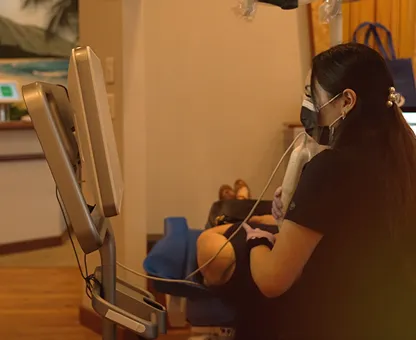
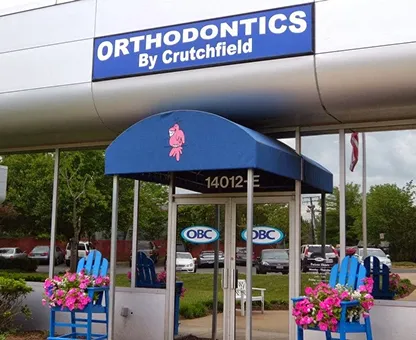
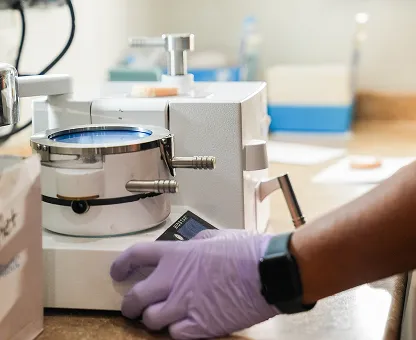
From our welcoming office and dedicated team to advanced treatments and technology, here’s a glimpse of life at OBC.










Hours
Monday–Thursday: 8:30 AM – 5 PM
Friday: 8:30 AM – 12 PM
Saturday–Sunday: Closed

Orthodontics By Crutchfield delivers personalized orthodontic care using advanced technology, expert techniques, and a patient-focused approach for a confident, natural smile.


© 2026 Orthodontics By Crutchfield | All Rights Reserved | Privacy Policy | Digital Marketing by Remedo